.jpg?ixlib=gatsbyFP&auto=compress%2Cformat&fit=max&w=800&h=800)
“I was born in Shreveport, Louisiana, but grew up in a small town called Coushatta in the 1960s, during the civil rights movement and the Jim Crow South. My dad was a quiet, humble individual so he didn't share a lot about the discrimination going on, maybe to try to spare us. But at six years old, I started to understand. Why did I have to go to a movie and sit in the balcony? The ‘white only’ and ‘Black only’ drinking fountains. People began migrating north for better job opportunities, and our family joined them: my father left for Bay City first, and then brought the family up later.
In school, I was one of only a handful of people of color. There were some issues, but getting into athletics bridged a lot of gaps between populations that didn't understand each other. I got out there; I hunted, I fished, I drank beer with the guys. And they were like, ‘Holy cow, Darold, you’re a pretty cool guy! I love you! You’re not like I thought.’ And that’s basically how it is: people fear what they don't understand, but when we engage and share, we find out that we have more in common than what separates us. I wish everyone would take that perspective. If we can find a way to engage and embrace each other, to care for each other, the world would be a lot better place.
Caring changes lives, it transforms lives, and it can make a difference. If the community truly cares, we have to interact and share. There's more that binds us than separates us. It's about harmony, community unity, and enjoying life, making the best of the time we have on this earth.
After high school, I went to Michigan State University for electrical engineering, but I quickly transferred to communications, broadcasting, and telecommunications because cable was a burgeoning new technology at the time. Then I branched into advertising and ended up in New York City, the mecca of advertising, working with brands like McDonald's, the Maryland State Lottery, Anheuser Busch, King Cobra Malt Liquor, and Colt 45 with Billy Dee Williams.
I came back to Bay City to support my dad while he was having health issues, but I also missed the community. Bay City has always been special to me. It has a special place in my heart. I’m grateful for the positive changes that have occurred, but there's still progress to be made, which is why I'm involved with the local NAACP. I wanted to make a difference and lead by example. I saw the good work my dad did, providing scholarships to first-generation people and empowering those in the shadows who didn't have a voice. I thought it was important work.
That's how I view the fight I've been in for all these years. I tell people that this advocacy is not a sprint; it's a marathon. Change will occur, but it's not going to happen overnight. If we take steps moving forward together and do the little things, those little things will add up over time in a big way.”

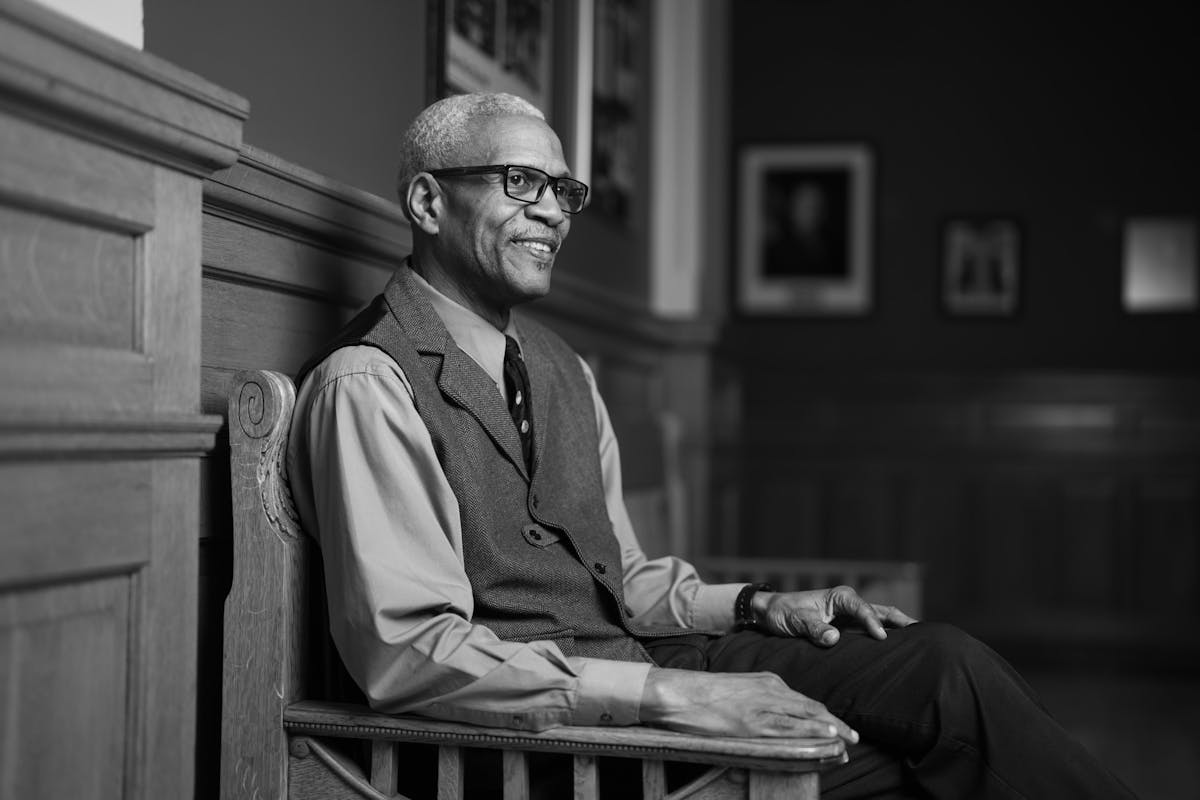
“You have to care. Caring changes lives, it transforms lives, and it can make a difference. If the community truly cares, we have to interact and share. There's more that binds us than separates us. It's about harmony, community unity, and enjoying life, making the best of the time we have on this earth.
When you care, you share. Sharing and interacting provide understanding. Where there's understanding, there's communication. Conversation is how it starts, and you have to have that seat at the table and have that conversation. Diane Mahoney and the Bay Area Community Foundation took a big step in conducting a study on diversity, equity, and inclusion for our area as part of that conversation, and it's available on their website.
It’s an amazing project with a coalition of people of businesses like Dow to Michigan Sugar Company to the school board and the Department of Public Safety. Everyone is on board because we need to have these conversations and look at the numbers to keep improving our community for everyone. We can't do it all at once, but we can make a start and make an impact.
I am happy with the progress we’ve made, but there’s always more work to be done. I am very pleased to see young people getting involved because we see young people being an integral part of change. All lives do matter, but when you're being oppressed, it's not necessarily true that everyone in America has the best life. We just want our voices to be heard; that life, liberty, and pursuit of happiness aren't necessarily guaranteed for everyone.
My advice would be to put yourself in someone else's shoes, or imagine what it would be like to wear my skin for one day. Consider the perspective of being in the minority. Don't be too quick to judge, but think about what it would be like if the roles were reversed. To change things, we have to be aware of issues and bring them to the forefront so they can be addressed.”

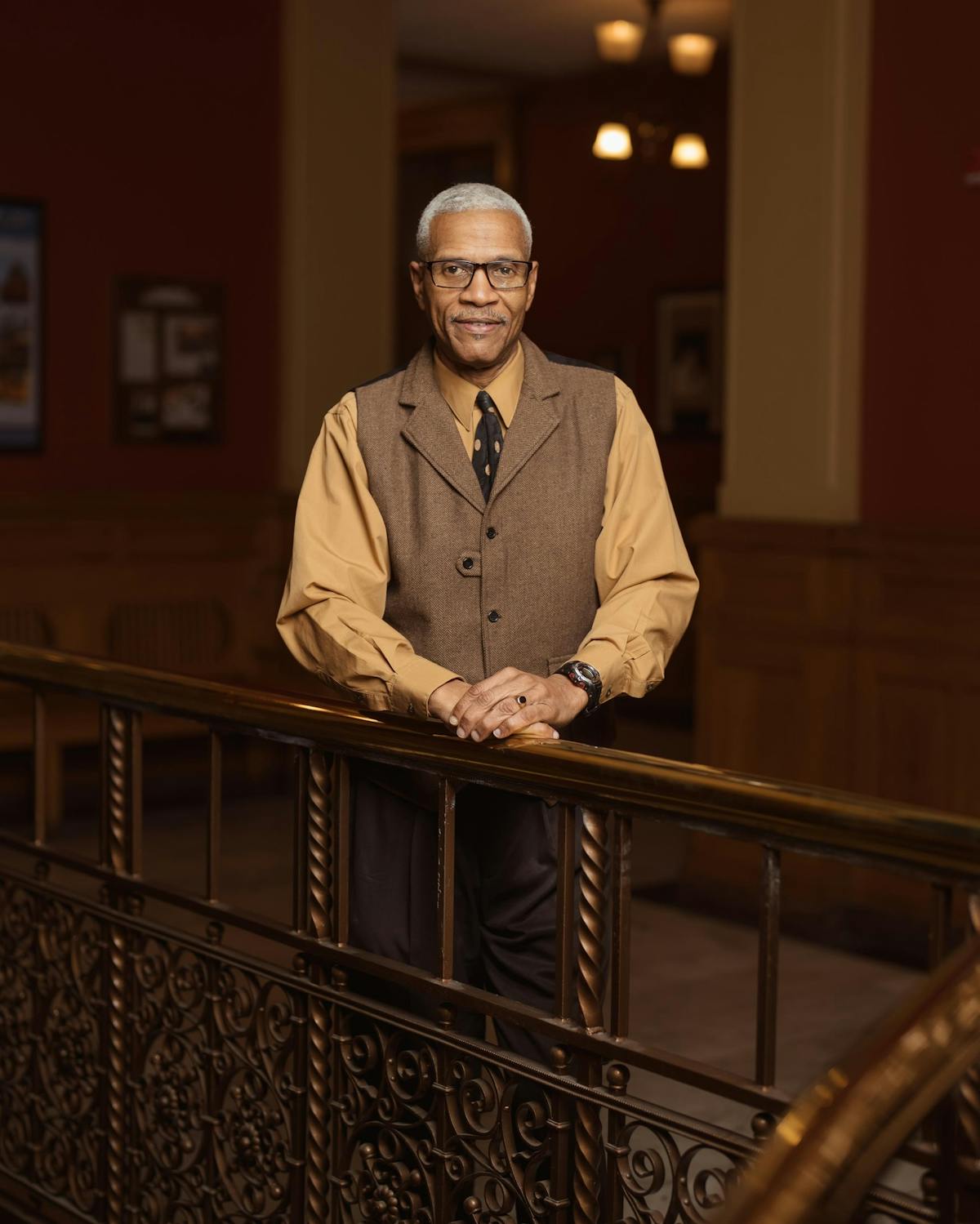
“Some of the things the NAACP Bay City Branch has been doing for the community benefit everyone, not just people of color. Let me say this: it's not just a Black organization. If people took the time to look at our history, we've been in the community since 1918. That's 105 years. We understand the community's dynamic and embrace everyone because civil and social rights affect us all. On a national scope, of the eight major founders of the NAACP, five or six of them were white.
Our organization was built by a great coalition of people who came together for a good cause. The driving force I have right now is to get more people from diverse backgrounds to support us, join us, and be a part of change. When we're all happy, in harmony, and living together, life is better. That's the vision I have for the community and the work we do with our organization.
The old African proverb says it takes a village to raise a child. It takes a community to thrive. That's part of our mission: to make sure we thrive in the community and the community thrives as well. It's a symbiotic relationship. Supporting every person and part of our community is something we have to be serious about if we're going to be a thriving community.
We invite everyone to get involved, come to our meetings and forums, and share ideas. If you see gaps or have questions, don't hesitate to reach out to me or any of our board or executive committee members. Many of us are everyday people you might pass on the street or know from being teachers, educators, or people like me. We're all in this together!”
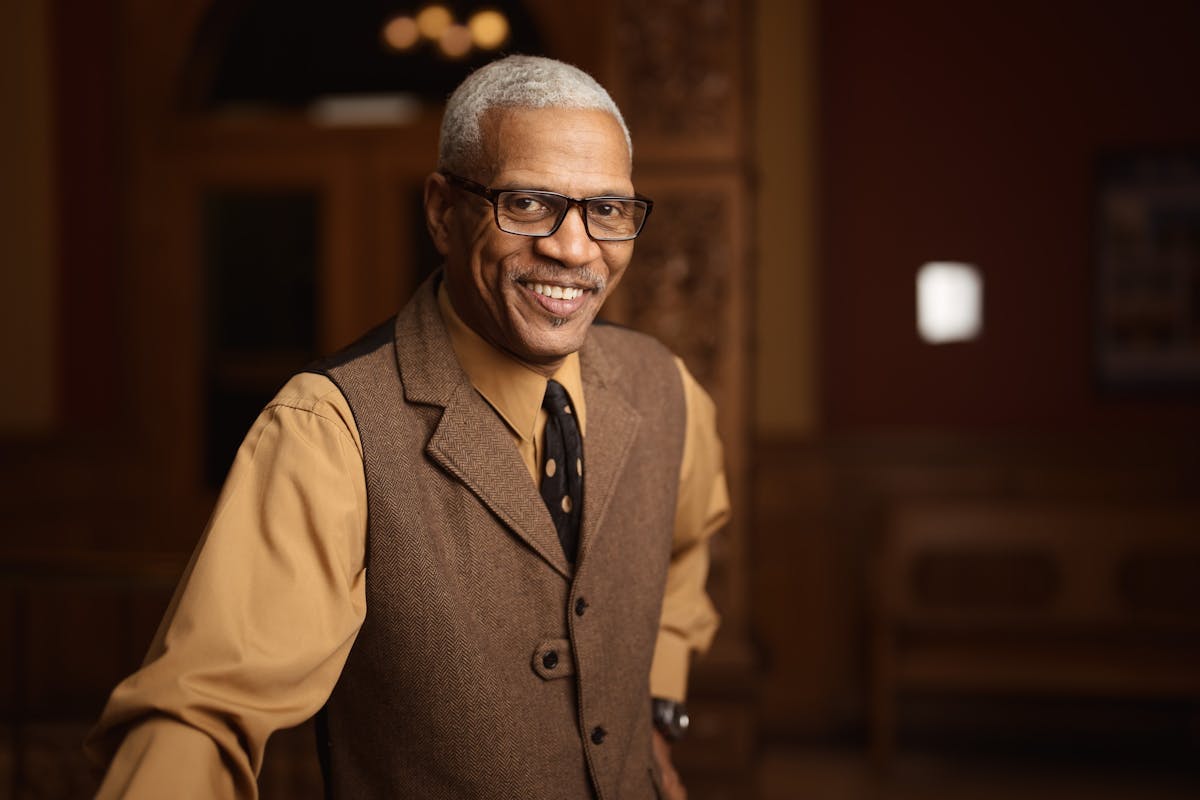
- Darold Newton, President of the Bay City branch of the NAACP